
Choosing a Custom Software Development Company is one of those decisions that quietly shapes the next three to five years of your business. Get it right, and you end up with a system that grows with you, saves your team hours every week, and actually holds up under real world traffic. Get it wrong, and you’re looking at blown budgets, missed deadlines, and a product that nobody on your team actually wants to use. This guide walks through everything you need to know before you sign a contract, from what custom software development really means to the exact questions you should be asking on your first call.
What Custom Software Development Actually Means

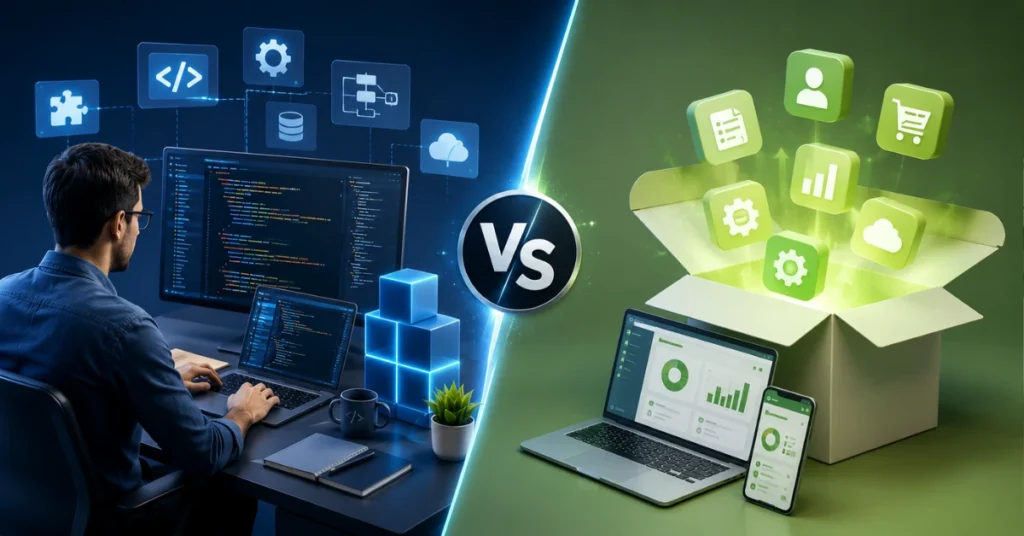
Custom software development is the process of designing, building, and maintaining an application that’s built around your specific workflows instead of forcing your business to bend around someone else’s product. Off the shelf tools like generic CRMs or project management apps work fine when your processes are fairly standard. But the moment your business has a workflow that doesn’t fit neatly into a template, you start paying for features you don’t need while missing the ones you actually do.
A good custom software development company doesn’t just write code. They study how your team actually works, figure out where the bottlenecks are, and design a solution around that reality. This could mean a custom web application that automates order processing, an internal tool that connects your warehouse system to your sales team, or a full enterprise platform that ties together finance, HR, and operations in one place.
The bigger picture here is software architecture. Every serious project starts with decisions about how the system will be structured, how data flows between components, and how the whole thing will scale once your user base doubles or triples. A team that skips this step and jumps straight into coding is setting you up for expensive rework later.
Why the Right Development Partner Matters More Than You Think
A lot of business owners treat their first software project like a one time purchase. In reality, you’re entering a relationship that could last years, through updates, bug fixes, new features, and scaling challenges you haven’t even thought of yet. This is why the term “software development partner” fits better than “vendor.”
The wrong partner shows up in a few predictable ways. Timelines slip because nobody flagged scope creep early. Communication turns into a black hole where you’re chasing status updates instead of receiving them. Security gets treated as an afterthought instead of something baked into the build from day one. And when the project wraps up, there’s no real plan for maintenance, so the software starts falling apart the moment something in your business changes.
On the flip side, a strong custom software development company acts almost like an extension of your own team. They flag risks before they become expensive. They push back respectfully when a feature request doesn’t make sense for your budget or timeline. And they think about what your business will need eighteen months from now, not just what’s on this quarter’s to do list.
Also Read: The Complete Checklist for Building an SEO Friendly Website
Key Factors to Evaluate Before You Choose- Choosing a Custom Software Development Company
1. Real Experience With Projects Like Yours
Ask for examples of work similar to what you’re building, not just a generic portfolio page. If you need enterprise software development, look for a company that’s actually delivered enterprise applications with the kind of complexity, compliance requirements, and integration needs you’re dealing with. If you’re a startup building your first product, you want a team that understands lean development and can help you launch an MVP without burning through your entire runway.
Ask specific questions like how they handled a project that went off track, what their average project timeline looks like, and whether they’ve worked in your industry before. Vague answers are a red flag. Specific stories with real outcomes are a good sign.
2. Technical Depth and Software Architecture Skills
This is where a lot of businesses get fooled by a slick sales pitch. You want to know whether the team designing your system actually understands modern software architecture, not just how to write functional code. Ask how they approach scalability, how they structure databases for growth, and how they handle API integration when your new software needs to talk to your existing tools like accounting software, payment gateways, or a CRM.
If your project involves connecting multiple systems, system integration experience matters a lot. A company that’s only ever built standalone apps might struggle when you need your new platform to sync data with three other tools in real time.
3. Development Process and Methodology
Ask how the team manages projects day to day. Most reputable software development firms today use Agile or Scrum methodology, which means work is broken into short sprints, usually one to two weeks, with regular check ins so you can see progress and adjust direction before too much time or money is spent going the wrong way.
A team without a clear process tends to disappear for months and reappear with something that doesn’t match what you asked for. A team with a defined custom software development process gives you visibility at every stage, from discovery and planning through design, development, testing, and deployment.
4. Cloud, SaaS, and Modern Infrastructure Knowledge
Most software built today lives in the cloud, whether that’s AWS, Azure, or Google Cloud. Cloud application development brings real advantages like easier scaling, better uptime, and lower upfront infrastructure costs. If you’re building a SaaS product, this becomes even more important since your entire business model depends on the platform staying fast and reliable as your user count grows.
Ask potential partners how they approach cloud architecture, how they handle scaling during traffic spikes, and what their disaster recovery plan looks like. These aren’t nice to have questions anymore. They’re basic due diligence.
5. UI/UX and User Experience Design- Choosing a Custom Software Development Company
A technically flawless app that nobody wants to use isn’t a win. Good design isn’t just about looking polished. It’s about reducing friction, making navigation intuitive, and getting people to actually complete the actions that matter for your business, whether that’s finishing a checkout, submitting a form, or adopting a new internal tool. Ask to see design case studies and find out whether user research and testing are part of their process, not just an afterthought bolted on at the end.
6. Quality Assurance and Testing Practices
Bugs happen. What separates a professional software engineering company from an amateur operation is how seriously they take testing before those bugs reach your users. Ask about their approach to manual and automated testing, security testing, and performance testing under real world load. A company that treats QA as a formality rather than a discipline is going to hand you software that breaks the moment real users start clicking around.
7. Legacy Software Modernization Experience
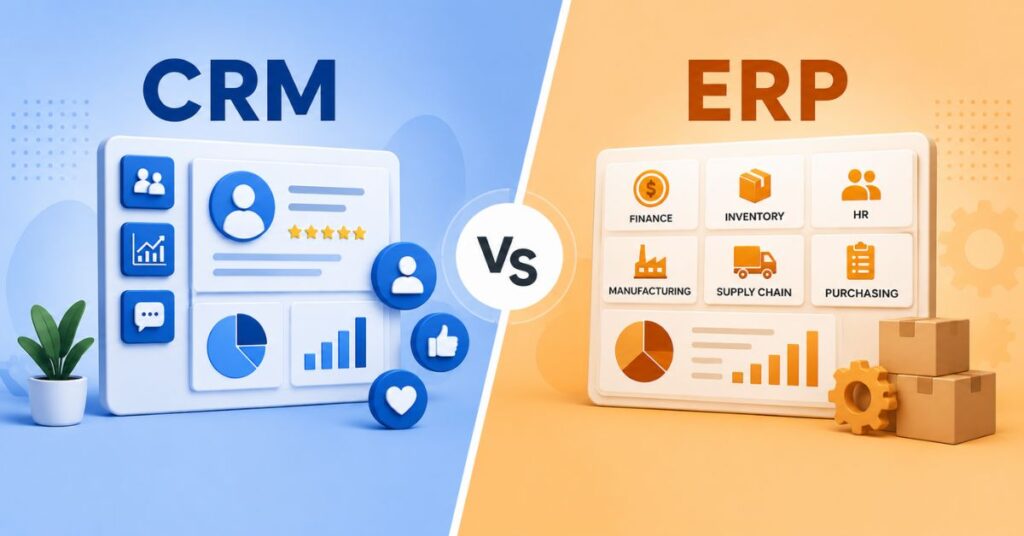
If you’re not starting from scratch, this matters a lot. Plenty of businesses come to a custom software development company not to build something new but to fix something old. Legacy software modernization is its own specialty. It requires a team that can read and understand aging codebases, plan a migration without disrupting daily operations, and modernize systems like outdated ERP development projects or clunky CRM development builds without losing years of historical data in the process.
8. Communication and Transparency
This one sounds obvious, but it’s where most projects actually fail. Ask how often you’ll get updates, who your main point of contact will be, and what tools they use for project tracking. A team that’s upfront about timelines, costs, and risks from day one is far more trustworthy than one that tells you everything’s fine right up until it isn’t.
9. Pricing Models and Transparency
Custom software development pricing varies widely depending on scope, complexity, and the engagement model. Some companies charge fixed price for well defined projects, while others work hourly or offer dedicated teams for ongoing development. Be wary of quotes that seem too good to be true. Underpriced projects tend to cut corners on testing, security, or documentation, and you end up paying more later to fix what was rushed the first time. A transparent software consulting services provider will walk you through exactly what’s included, what could push the budget up, and how change requests are handled.
10. Post Launch Support and Maintenance
Software isn’t a one time delivery. It needs updates, security patches, and occasional feature additions as your business evolves. Before signing anything, find out what support looks like after launch. Is there a maintenance contract? What’s the response time for critical bugs? Does the team offer ongoing software development solutions, or do they disappear the moment the invoice is paid?
How to Choose a Custom Software Development Company for Startups
If you’re a startup, your priorities look a little different from an established enterprise. Speed to market usually matters more than exhaustive documentation. You want a software development agency that understands lean methodology, can help you validate your idea with a minimum viable product, and won’t try to sell you enterprise level features you don’t need yet. Ask how they’ve helped other startups scale from an MVP into a full product, and look for flexibility in their engagement model since your priorities will likely shift as you get user feedback.
How to Choose an Enterprise Custom Software Development Company
Enterprises face a different set of concerns. Compliance, data security, and integration with existing enterprise applications usually take priority over speed. You need a partner who understands complex system integration, has experience with large scale software architecture, and can navigate the internal approval processes that come with big organizations. Look closely at their track record with enterprise clients, their security certifications, and how they manage multi team collaboration on large projects.
Also Read: Website Design Company: The Complete Guide to Professional Website Design & UI/UX Services
Questions to Ask a Custom Software Development Company
Before you commit, sit down and go through these questions directly with any company you’re considering.
- Can you show me projects similar in size and complexity to mine?
- What does your custom software development process look like from start to finish?
- How do you handle API integration with our existing tools?
- What’s your approach to security and data protection?
- How do you structure pricing, and what could cause the cost to increase?
- What happens if the project timeline slips?
- Who will actually be working on my project, and what’s their experience level?
- What kind of support do you offer after launch?
- Can I speak with a past client as a reference?
If a company hesitates or gives vague answers to more than one or two of these, treat it as a warning sign.
Common Mistakes Businesses Make When Choosing a Software Partner
Choosing based on the lowest quote is probably the most common and most costly mistake. Price matters, but it should never be the only factor. Another frequent mistake is skipping the discovery phase and jumping straight into building, which usually leads to a product that doesn’t actually solve the problem it was meant to solve. Businesses also tend to overlook cultural and communication fit, assuming that as long as the technical skills are there, everything else will work itself out. It usually doesn’t. And finally, many companies fail to ask about long term support until after the project is already finished, which is far too late.
Finding a Custom Software Development Company Near You
Searching for a “custom software development company near me” makes sense if you value face to face meetings or want a team in your own time zone for easier collaboration. That said, plenty of the best software development companies today work with clients remotely and still deliver excellent communication through regular video calls, shared project boards, and clear documentation. Don’t rule out a great team just because they’re not local, but do make sure their working hours overlap enough with yours to keep communication smooth.
Final Thoughts on Choosing a Custom Software Development Company
Choosing the right custom software development company comes down to matching your specific needs, whether that’s a startup MVP, an enterprise platform, or a legacy modernization project, with a team that has proven experience, a transparent process, and a real commitment to supporting you after launch. Take your time during the evaluation phase, ask direct questions, check references, and don’t let a polished sales pitch substitute for actual proof of past results. The right partner will feel less like a vendor and more like a team that’s genuinely invested in your business succeeding.
Interesting Reads:
Digital Marketing Strategy: A Complete Guide to Building One That Actually Works
Agentic AI vs Generative AI: What Is the Real Difference and Which One Do You Actually Need?